Philippine Clergy Bless Prosecution Team While Duterte Camp Banks on Acquittal
Vice President Sara Duterte’s defense team is projecting confidence ahead of her impeachment trial, even as Catholic clergy publicly rally behind House prosecutors in a rare intersection of faith and high-stakes politics that could reshape the Philippines’ leadership in the run-up to the 2028 elections. The Senate impeachment court has approved a 92-day timetable for the proceedings, which will open on Monday and scrutinize allegations ranging from misuse of funds and unexplained wealth to grave threats against top government officials.
Michael Poa, spokesperson for Duterte’s defense team, said her lawyers are "confident" in securing an acquittal, insisting they have prepared a "solid defense" of the vice president. He acknowledged that the senator-judges, as elected politicians, are likely to be sensitive to public sentiment but stressed that the defense is banking on their oath to political neutrality and evidence-based judgment. Poa also rejected calls to seek the inhibition of Sen. Risa Hontiveros, who has signaled interest in a potential 2028 presidential run if no other candidate with “proven honesty and integrity” emerges to challenge Duterte, saying the defense still extends “the benefit of the doubt to all the senators.”
The impeachment case, initiated in the House of Representatives, centers on accusations that Duterte misused confidential funds, accumulated unexplained wealth, and made threats to have President Ferdinand Marcos Jr., first lady Liza Araneta-Marcos and former Speaker Martin Romualdez assassinated in the event of her own killing. The prosecution has lined up 57 witnesses, while the defense plans to present 45, under a strict one-day examination rule for each witness unless the court grants an extension. The structure underscores how compressed and choreographed the process will be as both sides race to build or dismantle a case under intense public scrutiny.
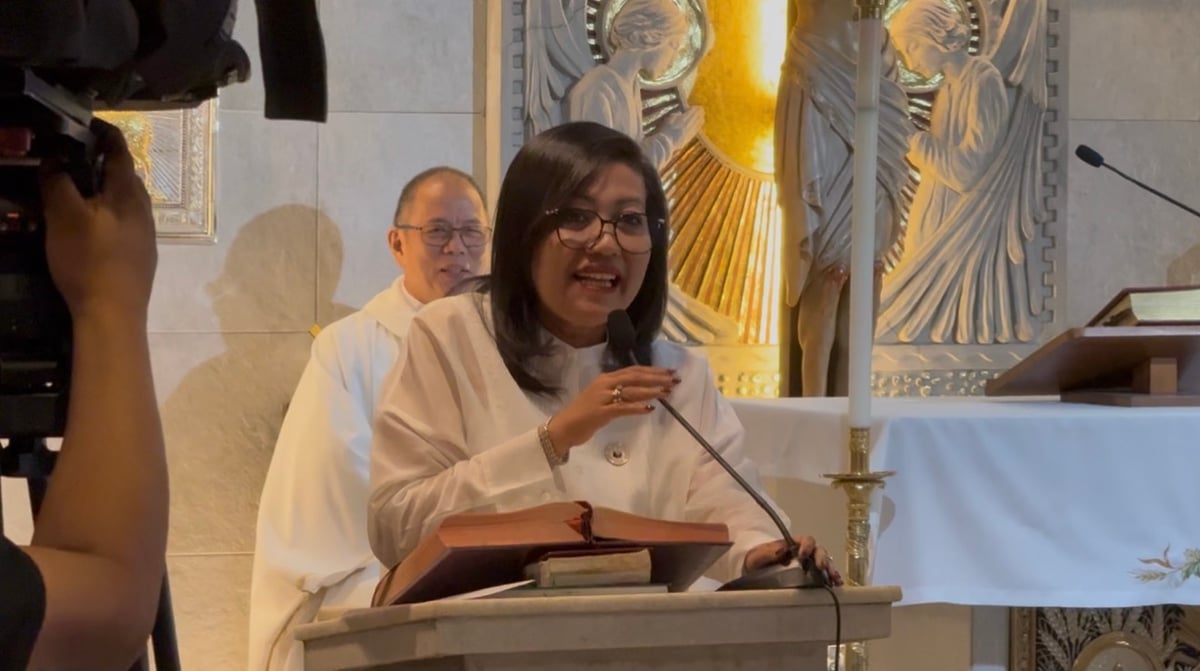
Outside the courtroom, Catholic leaders are seeking to frame the trial as a moral test of accountability and truth-seeking. In a Mass at the Immaculate Conception Cathedral in Quezon City, Msgr. Mel David blessed the prosecution panel and urged them to find strength in pursuing the charges dogging the country’s second-highest official, who has already declared her intention to seek the presidency in 2028. "The whole Filipino people is looking up to you," David told lawmakers and private prosecutors, expressing hope that by “presenting the truth,” many senator-judges would be “convinced and vote for the truth.”
Batangas Rep. Gerville Luistro, the lead public prosecutor, addressed churchgoers and clergy at the same gathering, calling the impeachment a demanding but honorable exercise in constitutional accountability. She said the prosecution team recognizes its “limitations,” “imperfections” and “insufficiencies,” but argued that prayers and public support could “overpower” those shortcomings. Luistro appealed to priests and laypeople to "walk with us" and "be with us until the conclusion of this impeachment trial," and openly asked for prayers for Duterte’s conviction, underscoring how the proceedings have become a focal point for broader debates about governance, integrity and national direction.
As both camps brace for an emotionally charged 92-day process, the trial is set to test not only the legal merits of the charges against the vice president but also the capacity of the country’s political and religious institutions to navigate a polarizing moment. With Duterte positioning herself as a key contender in 2028 and the Senate sitting in judgment under the gaze of an engaged clergy and public, the outcome may reverberate far beyond the Senate floor, influencing political alliances and public trust in the mechanisms meant to hold top officials to account.